


Learn More with our Pool & Spa Tips
View all


Frequently Asked Questions About Pool Heaters in Canada
What type of heater is best for a pool?
What type of heater is best for a pool?
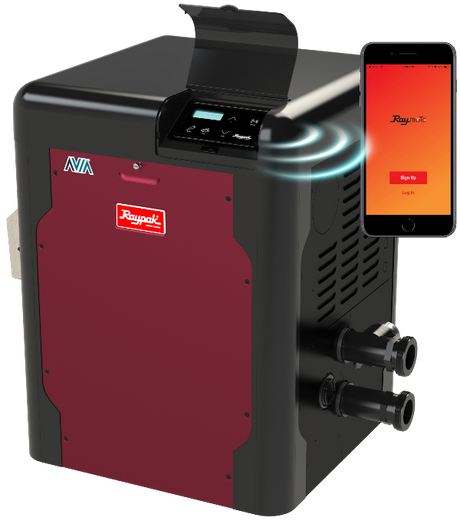
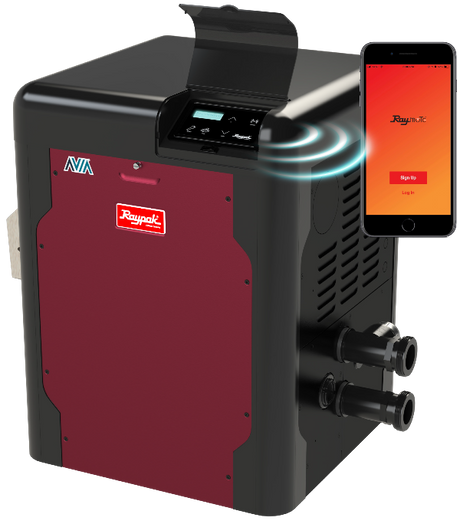
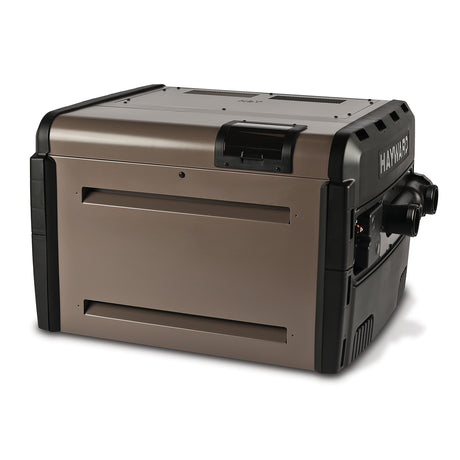
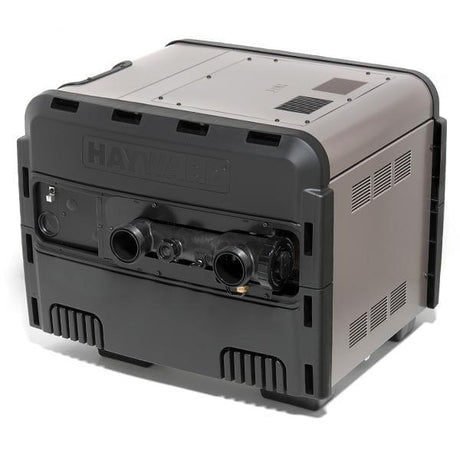
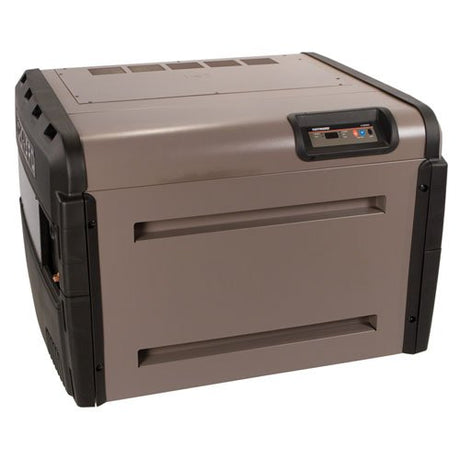
The best type of pool heater depends on your climate, pool size, and budget. Common options include heat pumps, gas heaters, and solar heaters. Heat pumps are energy-efficient and suitable for moderate climates, gas heaters provide quick heating in all temperatures, and solar heaters are eco-friendly but depend on sunlight availability.
What is the difference between natural gas and propane heaters?
What is the difference between natural gas and propane heaters?
The main difference between natural gas and propane heaters is the type of fuel they use. Natural gas is delivered through underground pipelines, making it convenient and often more cost-effective if your home is connected. Propane is stored in tanks, which makes it a flexible option for homes without natural gas service, but it can sometimes be more expensive. Both types of heaters work well, so the best choice depends on your home’s fuel availability and your heating needs.
Are natural gas heaters a good choice for pools?
Are natural gas heaters a good choice for pools?
Yes! Natural gas heaters are a popular choice because they heat pools quickly and keep the water comfortable even when the weather is cooler. If your home already has natural gas service, using a natural gas heater can be a cost-effective way to enjoy your pool longer throughout the year.
What size heat pump do I need for a 50000 litre pool?
What size heat pump do I need for a 50000 litre pool?
For a pool of around 50,000 litres, a heat pump with a heating capacity of approximately 50,000 to 70,000 BTUs is typically recommended. However, factors like pool location, climate, and desired temperature increase also affect the size you might need for your heat pump.
What is the best heat pump for a cold climate in Canada?
What is the best heat pump for a cold climate in Canada?
Heat pumps designed for cold climates in Canada often feature enhanced compressors and defrost cycles to operate efficiently in lower temperatures. Look for models specifically rated for colder climates, and select a unit that matches your needs.
Is it worth putting a heater in a pool?
Is it worth putting a heater in a pool?
Installing a pool heater can extend your swimming season by maintaining comfortable water temperatures. Whether it is worth it depends on your location, how often you use the pool, and your budget.
Is an electric or gas pool heater better?
Is an electric or gas pool heater better?
Electric heat pumps are generally more energy-efficient and environmentally friendly, offering lower operating costs over time. The upfront cost to purchase a heat pump is higher, and you may also need to install an additional electrical panel for the service needed. In comparison, gas heaters heat water faster and are often preferred for quick temperature boosts, but the energy cost to run a gas heater is higher. This can be offset by the lower cost to purchase and lower installation costs if a gas supply line is used for the pool pad.
What is the lifespan of a heat pump?
What is the lifespan of a heat pump?
The average lifespan of a pool heat pump is around 10 to 15 years with proper maintenance. However, factors like climate, usage, and care can affect durability and performance.