
Complete Guide to Pool Maintenance: Tips for Crystal Clear Water
January 15, 2024•8 min read
Owning a pool is one of life's great pleasures, but keeping it in pristine condition requires consistent care and attention. Whether you're a new pool owner or looking to refine your maintenance routine, this comprehensive guide will walk you through everything you need to know to maintain crystal clear, healthy water all season long.
Understanding the Basics of Pool Chemistry
The foundation of proper pool maintenance starts with balanced water chemistry. When your pool's chemical levels are off, you'll notice cloudy water, algae growth, and even equipment damage. Let's break down the essential chemical parameters you need to monitor.
pH Levels: The Foundation of Water Balance
Your pool's pH level measures how acidic or alkaline the water is on a scale of 0 to 14. The ideal range sits between 7.2 and 7.6. When pH drifts outside this range, chlorine becomes less effective, and swimmers might experience skin and eye irritation.
Testing your pH weekly is crucial. If it's too high, add muriatic acid or sodium bisulfate. If it's too low, use soda ash to bring it back up. These small adjustments make a world of difference in water quality and swimmer comfort.
Pro Tip
Always add chemicals to water, never water to chemicals. This simple rule prevents dangerous reactions and ensures proper dilution.
Chlorine: Your Pool's Primary Sanitizer
Chlorine kills bacteria, viruses, and other contaminants that can make swimmers sick. Maintaining proper chlorine levels (1-3 ppm for most pools) ensures safe, sanitized water. You've got several options: tablets, granules, or liquid chlorine.
For those looking for a more automated approach, consider upgrading to a salt water chlorination system. These systems generate chlorine naturally from salt, reducing the need for manual chlorine additions and creating softer, more comfortable water.
Alkalinity and Calcium Hardness
Total alkalinity acts as a buffer for pH, keeping it stable. Aim for 80-120 ppm. Low alkalinity causes pH to swing wildly, while high alkalinity makes pH adjustments difficult.
Calcium hardness prevents corrosion and scaling. The ideal range is 200-400 ppm. Too little calcium, and your pool water becomes corrosive, damaging equipment and surfaces. Too much causes cloudy water and scale buildup.
Essential Weekly Pool Maintenance Tasks
Consistency is key when it comes to pool care. Setting aside time each week for these essential tasks will save you from bigger headaches down the road.
Skimming and Brushing
Start every maintenance session by skimming the surface to remove leaves, insects, and debris. This prevents organic matter from sinking to the bottom where it's harder to remove and can stain your pool's surface.
Brushing your pool's walls and floor prevents algae buildup and helps circulate chemicals. Pay special attention to corners, steps, and around fixtures where algae loves to grow. Even if you have an automatic pool cleaner, manual brushing is still important.
Vacuuming Your Pool
While manual vacuuming works, investing in a quality robotic pool cleaner saves significant time and energy. These autonomous cleaners scrub, vacuum, and filter your pool water, doing the heavy lifting while you focus on other tasks.
Robotic cleaners are incredibly efficient, reducing your pool's energy consumption while providing superior cleaning. They're particularly effective at picking up fine debris that manual vacuuming might miss.
Testing Water Chemistry
Test your water at least twice weekly during swimming season. Use either test strips or a liquid test kit—liquid kits are more accurate but require more time. Check pH, chlorine, alkalinity, and calcium hardness regularly.
Keep a log of your test results. This helps you spot trends and anticipate problems before they become serious. You'll notice patterns, like pH consistently rising or chlorine depleting faster on hot, sunny days.
Checking and Cleaning Filters
Your pool filter is the workhorse of your circulation system. Whether you have a sand, cartridge, or DE filter, regular cleaning is essential for optimal performance.
Cartridge filters need rinsing every 2-4 weeks and deep cleaning monthly. Sand filters require backwashing when the pressure gauge reads 8-10 psi above normal. DE filters need backwashing and fresh DE powder added regularly.
Maintaining Your Pool Equipment
Your pool equipment represents a significant investment. Proper maintenance extends its lifespan and prevents costly repairs or replacements.
Pool Pump Care
Your pool pump circulates water through the filtration system. Modern variable speed pumps are incredibly energy-efficient, often paying for themselves through reduced electricity costs.
Check your pump basket weekly, removing debris that could restrict flow. Listen for unusual noises—grinding or screeching indicates bearings might need attention. Ensure the pump is primed before starting it to prevent damage.
During swimming season, run your pump long enough to turn over all pool water at least once daily. For most residential pools, this means 8-12 hours of daily operation.
Heater Maintenance
If you've invested in a pool heater, whether propane, natural gas, or heat pump, proper maintenance ensures efficient operation and longevity.
Have a professional service your heater annually before swimming season. They'll check for proper combustion, clean burners, and ensure safety controls work correctly. Between service visits, keep the area around your heater clear and check for error codes or unusual operation.
Monitoring Pressure and Flow
Your filter's pressure gauge tells you when it's time to clean or backwash. High pressure indicates a dirty filter restricting water flow. Low pressure suggests a blockage somewhere in your plumbing or a pump issue.
Check all visible plumbing regularly for leaks. Small leaks waste water and chemicals, while major leaks can cause serious damage. Address any leaks promptly to avoid bigger problems.
Seasonal Pool Maintenance
Spring Opening
After months of hibernation, your pool needs special attention when opening for the season. Remove and clean your winter cover thoroughly before storing it. This prevents debris from falling into your pool and keeps your cover in good condition.
Fill your pool to the proper level, reconnect equipment, and start the circulation system. Shock the water heavily to eliminate any bacteria or algae that developed over winter. It might take several days of filtering and chemical balancing before your pool is swim-ready.
Summer Maintenance
During peak swimming season, your pool works overtime. Increase testing frequency to 2-3 times weekly. Hot weather, heavy use, and afternoon thunderstorms can quickly throw chemistry off balance.
Pay attention to water levels during hot weather—evaporation can lower levels significantly. When adding water, remember to retest and adjust chemicals accordingly since you're diluting your pool's current chemistry.
Fall Preparation and Winterization
Properly closing your pool for winter prevents damage from freezing temperatures and makes spring opening much easier. This is where having the right equipment becomes crucial.
Invest in quality winter pool covers designed specifically for your pool type. Whether you need an in-ground or above-ground cover, proper winterization protects your investment from harsh Canadian winters.
Lower water levels below skimmers, blow out plumbing lines, and add winterizing chemicals. Use pool antifreeze in lines that can't be fully drained. Store equipment like pumps, filters, and cleaners in a dry location.
Essential Winterization Supplies
Don't let winter damage your pool. Stock up on winterizing accessories including water bags, plugs, and antifreeze to ensure your pool survives the cold months in perfect condition.
Troubleshooting Common Pool Problems
Cloudy Water
Cloudy water is one of the most common complaints pool owners face. Usually, it's caused by poor filtration, imbalanced chemistry, or insufficient circulation. Start by testing your water—often, high pH or low chlorine is the culprit.
Run your filter continuously until the water clears. Backwash or clean your filter if needed. If chemistry is balanced but water remains cloudy, try using a clarifier to help your filter capture fine particles.
Algae Growth
Green, yellow, or black algae can quickly take over a pool if conditions are right. Prevention is always easier than cure—maintain proper chlorine levels, brush regularly, and ensure adequate circulation.
If algae appears, brush affected areas vigorously to break up colonies. Shock the pool heavily (triple or quadruple normal shocking dose), and run the filter 24/7 until the algae is gone. Vacuum dead algae to waste rather than filtering it back into the pool.
Equipment Issues
When equipment fails, identifying the problem quickly minimizes downtime. If your pump won't start, check the power supply and reset any tripped breakers. Airlock issues often resolve by opening the pump lid, filling it with water, and restarting.
For heater problems, check error codes in your manual. Many issues stem from flow restrictions or dirty filters. When in doubt, consult a professional—some repairs require licensed technicians.
Hot Tub and Spa Maintenance
Hot tub maintenance differs from pool care due to higher water temperatures, smaller water volume, and heavier bather load. These factors mean chemistry changes faster and requires more frequent attention.
Hot Tub Filtration
Your hot tub filter works harder than a pool filter, handling more contaminants in a smaller space. Rinse your filter weekly with a garden hose, removing trapped oils and debris. Deep clean monthly using a filter cleaning solution.
Replace filters annually or when they show wear—crushed pleats or damaged fabric means it's time for a new one. K&J Leisure carries all major brands including Pleatco, Unicel, and ProAqua filters.
Water Testing and Chemistry
Test hot tub water before each use. High temperatures accelerate chemical reactions, so what was balanced yesterday might be off today. Maintain sanitizer levels slightly higher than pools—1.5-3 ppm for chlorine or 3-5 ppm for bromine.
Shock your hot tub weekly, even if it looks clean. Shocking oxidizes organic contaminants that regular sanitizers don't eliminate. After heavy use or if water becomes foamy or cloudy, shock immediately.
Hot Tub Equipment Care
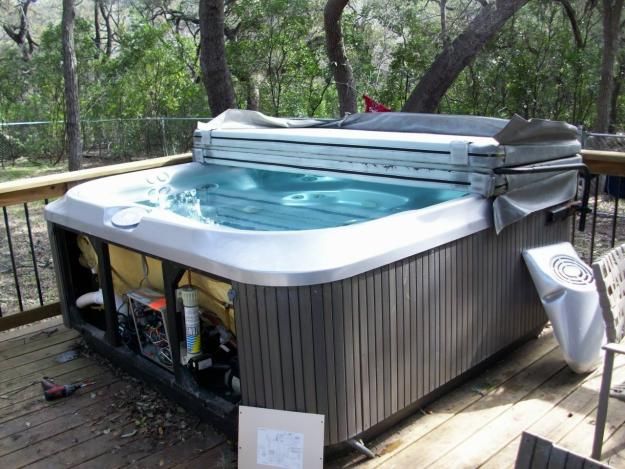
Regular maintenance of your hot tub equipment prevents breakdowns during relaxation time. Check jets for debris, clean the cover regularly, and inspect seals for wear.
If your hot tub pump makes unusual noises or fails to start, check hot tub pump parts for wear. Many issues like bad seals or worn bearings are fixable with the right replacement parts.
Energy Efficiency and Cost Savings
Running a pool doesn't have to break the bank. Smart maintenance practices and equipment upgrades can significantly reduce operating costs.
Upgrade to Variable Speed Pumps
Traditional single-speed pumps run at full power constantly, wasting energy. Variable speed pumps adjust flow rates based on need, reducing energy consumption by up to 90%. While they cost more upfront, energy savings typically recover the investment within 2-3 years.
Use a Pool Cover
Covering your pool when not in use reduces evaporation, heat loss, and debris accumulation. You'll use less water, fewer chemicals, and if you have a heater, significantly less energy maintaining temperature.
Solar covers provide the added benefit of capturing heat during the day, raising water temperature naturally. For year-round benefits, invest in both a summer solar cover and a quality winter cover.
Optimize Run Times
Running your pump during off-peak electricity hours saves money if you have time-of-use rates. Many modern pumps include timers or can connect to smart controls, automating this process.
You don't need to run your pump 24/7. Most pools need 8-12 hours daily, depending on size, bather load, and weather. Experiment to find your pool's minimum run time that maintains clear water.
Building Your Pool Maintenance Kit
Having the right tools makes maintenance easier and more effective. Here's what every pool owner should have on hand:
- Test Kit or Strips - For regular water testing
- Telescoping Pole - Attaches to various cleaning tools
- Skimmer Net - Removes surface debris
- Pool Brush - For weekly brushing (nylon for vinyl, stainless for plaster)
- Vacuum Head and Hose - Or a robotic cleaner for automation
- Chemicals - Chlorine, shock, pH adjusters, algaecide
- Filter Cleaner - Appropriate for your filter type
- Safety Equipment - Gloves, goggles for handling chemicals
Quality tools last longer and perform better. While you can find cheap alternatives, investing in good equipment from K&J Leisure's pool accessories collection pays off through years of reliable use.
When to Call a Professional
While regular maintenance is DIY-friendly, some situations require professional expertise. Don't hesitate to call a pool service company when:
- You're dealing with persistent green or black algae that won't clear
- Equipment makes unusual noises or won't start
- You notice cracks in your pool shell or deck
- Leaks are significant or you can't locate the source
- Chemistry remains imbalanced despite proper adjustments
- You need heater, electrical, or gas line repairs
Regular professional inspections catch small issues before they become expensive problems. Consider scheduling an annual checkup where a technician examines equipment, tests water, and provides recommendations.
Conclusion: Consistency is Key
Maintaining a pool or hot tub isn't complicated, but it does require consistency. By following a regular maintenance schedule, testing water frequently, and addressing issues promptly, you'll enjoy crystal clear, safe water all season long.
Remember, prevention is always easier than cure. Spending 30 minutes weekly on routine maintenance prevents hours of troubleshooting and costly repairs down the road.
At K&J Leisure Pool Supplies, we're committed to helping Canadian pool and spa owners maintain their investments. Whether you need pool equipment, replacement parts, or expert advice, we're here to help. With free shipping on orders over $99, easy returns, and fast delivery, keeping your pool in perfect condition has never been easier.
Need Help with Your Pool Maintenance?
Our customer service team has decades of combined experience helping pool owners across Canada. Have a question about water chemistry, equipment, or maintenance? We're here to help.