
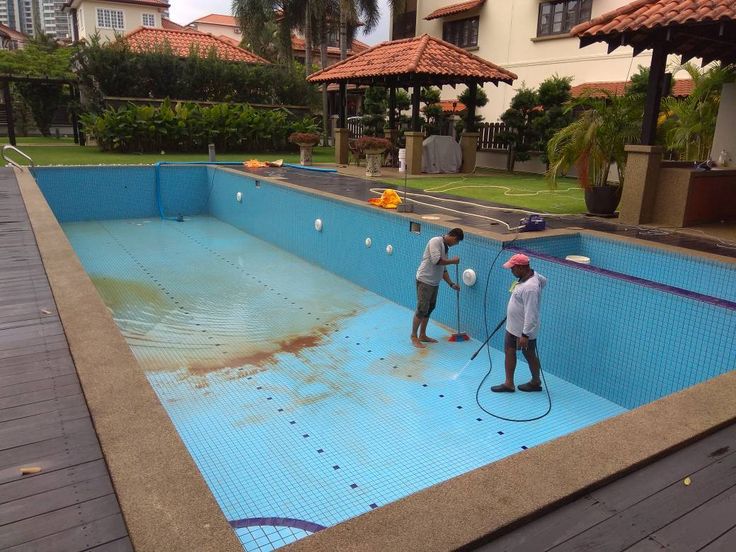
The Complete Guide to Pool Maintenance for Canadian Homeowners
Owning a pool in Canada comes with unique challenges, from harsh winters to short swimming seasons. This comprehensive guide will walk you through everything you need to know about maintaining a sparkling clean, safe pool year-round. Whether you're a first-time pool owner or looking to improve your maintenance routine, we've got you covered.
In This Guide:
- Understanding Pool Water Chemistry
- Essential Pool Equipment & How It Works
- Weekly Maintenance Checklist
- Seasonal Pool Care in Canada
- Common Problems & Solutions
- Money-Saving Maintenance Tips
Understanding Pool Water Chemistry: The Foundation of Pool Care
Proper water chemistry isn't just about keeping your pool looking good—it's essential for protecting your investment and keeping swimmers safe. When your water chemistry is off, you're looking at cloudy water, equipment damage, and potential health risks. Let's break down what you actually need to know.
The Big Three: pH, Alkalinity, and Chlorine
These three measurements form the backbone of pool chemistry. Get these right, and you're 90% of the way to perfect water.
pH Levels: The Sweet Spot
Your pool's pH should sit between 7.2 and 7.6. Here's why it matters: if pH climbs too high, your chlorine stops working effectively, you'll develop scale buildup on surfaces and equipment, and swimmers might experience skin and eye irritation. When pH drops too low, you're dealing with corrosion of metal components, etching of pool surfaces, and rapid chlorine dissipation.
Pro tip: Test your pH at least twice weekly during swimming season. If you're constantly battling high pH, your total alkalinity might be the culprit. Speaking of which...
Total Alkalinity: Your pH Buffer
Think of alkalinity as pH's bodyguard. It keeps pH stable and prevents those frustrating swings that require constant adjustment. Aim for 80-120 ppm (parts per million).
Low alkalinity causes pH to bounce around wildly, making it nearly impossible to maintain proper balance. High alkalinity makes pH stubborn and resistant to adjustment. Always adjust alkalinity first before trying to fix pH problems—it'll save you tons of frustration.
Chlorine: Your Sanitizer
Chlorine kills bacteria, algae, and other contaminants. You're aiming for 1-3 ppm for traditional chlorine systems, or 2-4 ppm if you're running a salt water chlorinator system.
Here's something many pool owners don't realize: combined chlorine (chloramines) is what causes that "pool smell" and eye irritation. When your pool reeks of chlorine, it actually needs more chlorine, not less. Shocking the pool breaks down chloramines and restores your free available chlorine.
Quick Chemistry Action Plan
- Monday & Thursday: Test pH and chlorine
- Weekly: Test total alkalinity and calcium hardness
- Monthly: Test stabilizer (cyanuric acid) levels
- Weekly or as needed: Shock your pool to eliminate chloramines
The Other Important Players
Calcium Hardness should stay between 200-400 ppm. Too low causes etching and corrosion, especially damaging to pool heaters. Too high leads to scale formation and cloudy water.
Cyanuric Acid (Stabilizer) protects chlorine from being destroyed by sunlight. Keep it at 30-50 ppm. Too much actually inhibits chlorine's effectiveness—a condition called "chlorine lock" that confuses many pool owners.
Essential Pool Equipment & How It Works
Understanding your pool equipment isn't just for troubleshooting—it helps you maintain everything properly and spot problems before they become expensive repairs. Let's walk through each major component.
Pool Pumps: The Heart of Your System
Your pool pump circulates water through the filtration system. Modern variable-speed pumps can save you hundreds of dollars annually compared to older single-speed models, running at lower speeds for longer periods while using less electricity.
Pump Maintenance Essentials:
- Clean the strainer basket weekly (more often if you have lots of debris)
- Check for leaks around the pump seal monthly
- Listen for unusual noises—grinding or squealing means bearing problems
- Run your pump 8-12 hours daily during swim season
- In Canada, properly winterize to prevent freeze damage
Pool Filters: Keeping Water Crystal Clear
Your filter removes dirt, debris, and contaminants. There are three main types, each with pros and cons:
Sand Filters are low-maintenance workhorses popular in Canadian installations. They trap debris in a bed of special filter sand. You'll need to backwash weekly during heavy use, and replace the sand every 5-7 years. They're forgiving and reliable, though they don't filter as finely as cartridge or DE filters.
Cartridge Filters provide excellent filtration and are the most energy-efficient option since they don't require backwashing. You'll need to replace filter cartridges annually or semi-annually depending on usage, and clean them with a hose every 2-4 weeks. They're perfect if you're trying to conserve water.
DE (Diatomaceous Earth) Filters offer the finest filtration available, removing particles down to 3-5 microns. They require more maintenance and you'll need to add fresh DE powder after backwashing. These are popular for pool owners who want absolutely pristine water.
Filter Pressure: What's Normal?
Note your filter's pressure gauge reading when the filter is freshly cleaned. When pressure rises 8-10 PSI above this "clean" reading, it's time to clean or backwash. High pressure means your filter is doing its job but needs attention.
Pool Heaters: Extending Your Season
In Canada's climate, a pool heater can double or even triple your swimming season. You've got three main options:
Gas Heaters (propane or natural gas) heat water quickly and work in any temperature, making them ideal for Canadian conditions. They're perfect if you want to heat the pool on-demand or maintain higher temperatures during cooler months.
Heat Pumps are incredibly energy-efficient, extracting heat from the air. They cost less to operate but work best when air temperature is above 10°C (50°F), limiting their usefulness during Canadian spring and fall.
Solar Heaters have zero operating costs but depend entirely on sunny conditions. They're great as supplementary heating but rarely sufficient as a primary heat source in most Canadian locations.
⚠️ Protecting Your Heater Investment
Acidic water (low pH) is the #1 killer of pool heaters, causing rapid corrosion of heat exchangers. This is especially problematic in Canada where many water sources are naturally soft. Keep pH properly balanced and monitor calcium hardness to protect your investment. Read our detailed guide on how acidic water damages pool heaters.
Pool Cleaners: Automation That Pays Off
Manual vacuuming works, but automatic pool cleaners save hours of weekly work. Here's what you need to know about each type:
Robotic Cleaners are the most effective and energy-efficient option. They operate independently of your pool system, have their own filtration, and scrub walls and floors. Models like the popular Aiper robotic cleaners climb walls, scrub surfaces, and require minimal maintenance. They're pricier upfront but pay off in convenience and electricity savings.
Suction-Side Cleaners connect to your skimmer or dedicated suction line, using your pump's suction to move around and pick up debris. They're affordable and effective for flat-bottomed pools but won't climb walls and add strain to your pump and filter.
Pressure-Side Cleaners use water pressure (often from a booster pump) to move around and collect debris in their own filter bag. Polaris cleaners are the gold standard here. They reduce load on your main filter but typically require a separate booster pump.
Not sure which cleaner fits your pool? Check out our Polaris pool cleaner comparison guide and learn how to properly clean your pool cleaner filter for optimal performance.
Your Weekly Pool Maintenance Checklist
Consistency is key with pool maintenance. Following a weekly routine prevents small issues from becoming major problems. Here's your straightforward weekly checklist:
Weekly Tasks (30-45 minutes total)
Monday (or Day 1):
- Test and adjust pH and chlorine levels
- Skim surface debris (leaves, bugs, etc.)
- Empty skimmer and pump baskets
- Check water level—should be halfway up skimmer opening
Wednesday (or Day 3):
- Brush pool walls, steps, and corners
- Vacuum pool floor or run automatic cleaner
- Check filter pressure gauge
Friday (or Day 5):
- Test and adjust pH and chlorine again
- Test total alkalinity
- Shock pool if necessary (high usage, rainstorm, or combined chlorine > 0.5 ppm)
- Empty skimmer and pump baskets again
Weekend:
- Clean filter (backwash or rinse cartridge) if pressure is 8-10 PSI above normal
- Check all equipment for leaks or unusual sounds
- Enjoy your perfectly maintained pool!
Monthly Deep Maintenance
Once a month, go beyond the basics:
- Test calcium hardness and cyanuric acid levels
- Inspect and lubricate o-rings on pump, filter, and other equipment
- Check for cracks in pool surface or equipment
- Deep clean filter (chemical soak for cartridges, full breakdown for DE filters)
- Inspect pool cleaner for worn parts
- Check and clean salt cell if you have a salt water chlorination system
Seasonal Pool Care in Canada
Canadian pool owners face unique seasonal challenges. Here's how to handle each season for maximum pool longevity and minimal headaches.
Spring Pool Opening (April-May)
Opening your pool properly sets the tone for the entire season. Rush this process and you'll spend weeks fighting algae and cloudy water.
Step-by-Step Spring Opening:
- Remove and clean your winter cover before removing it completely. You don't want all that debris dumping into your clean pool. Store it properly for next year.
- Reinstall all equipment that was removed for winter: ladders, diving board, automatic pool cleaners, etc.
- Fill your pool to proper operating level (middle of skimmer opening).
- Start up equipment in order: pump first, then filter, then heater. Check for leaks and unusual sounds. Prime the pump if necessary.
- Balance water chemistry in the right order: alkalinity first, then pH, then calcium hardness, then chlorine. This might take 2-3 days to get everything dialed in.
- Shock heavily with a quality pool shock product to kill any algae or bacteria that developed over winter.
- Run the pump continuously for 24-48 hours to ensure thorough circulation and filtration.
- Vacuum and brush once water clears up to remove any remaining sediment.
Early Opening Advantage:Opening your pool in mid-April, even if it's too cold to swim, prevents algae bloom and makes the process much easier. It's also easier to schedule equipment service before the spring rush.
Summer Maintenance (June-August)
Summer is when your pool gets the most use and requires the most attention. Higher temperatures and increased bather load mean more frequent testing and maintenance.
Hot Weather Challenges: When temperatures soar, algae grows faster, chlorine burns off quicker, and evaporation increases. You might need to test water daily during heat waves and add fresh water weekly to maintain proper levels.
Heavy Use Days: After pool parties or heavy usage, always shock the pool that evening. Body oils, sunscreen, and increased organic load create demand on your sanitizer.
Summer Storms: Rain dilutes pool chemistry and introduces contaminants. Test and adjust chemical levels after significant rainfall, and remove debris promptly to prevent staining.
Fall Pool Maintenance (September-October)
As temperatures drop and swimming season winds down, adjust your maintenance routine:
- Reduce pump run time gradually as water temperature drops
- Keep skimming and cleaning—falling leaves are your enemy
- Consider a leaf net over your pool to minimize debris
- Continue testing water chemistry weekly even after you stop swimming
- Plan your closing date based on consistent overnight temperatures below 10°C (50°F)
Winter Pool Closing (October-November)
Proper winterization protects your investment from freeze damage and makes spring opening infinitely easier. Here in Canada, this step is absolutely critical.
Complete Winterization Process:
- Balance water chemistry perfectly before closing. pH should be 7.2-7.6, alkalinity 80-120 ppm, and calcium hardness 200-400 ppm. Add winterizing chemicals according to your pool size.
- Clean thoroughly: Vacuum, brush, and skim one final time. Your pool should be spotless.
- Lower water level to 4-6 inches below the skimmer opening (for standard winterization). Some closing methods require different levels.
- Drain and winterize equipment:Completely drain pump, filter, heater, and all pipesRemove drain plugs and store them in pump basketBlow out plumbing lines with a shop vacuum or air compressorAdd antifreeze to lines that can't be completely drained
- Install winterizing plugs in all return fittings and skimmers.
- Add ice compensators (air pillows or empty plastic bottles) to the pool to absorb ice expansion pressure.
- Cover the pool with a quality winter cover. Secure it properly to prevent wind damage and debris accumulation.
⚠️ Don't Skip Winterization!
A single freeze can cause thousands of dollars in damage to pumps, filters, heaters, and plumbing. Even if you're in a "milder" part of Canada, proper winterization is essential. If you're unsure about any step, consult with the experts at K&J Leisure or hire a professional for your first closing.
Common Pool Problems & Solutions
Even with perfect maintenance, you'll occasionally face issues. Here's how to diagnose and fix the most common problems Canadian pool owners encounter.
Cloudy or Murky Water
Causes: Poor filtration, unbalanced chemistry, inadequate circulation, or algae beginning to form.
Solutions:
- Test and balance all chemical levels, especially pH and alkalinity
- Shock the pool with double the normal dose
- Run the pump continuously until water clears (24-48 hours)
- Clean or backwash filter thoroughly
- If problem persists, consider using a clarifier or flocculant
Green Water (Algae Bloom)
Causes: Low chlorine levels, poor circulation, inadequate filtration, or high phosphate levels.
Solutions:
- Brush all pool surfaces vigorously to break up algae colonies
- Perform a heavy shock treatment (2-4x normal dose depending on severity)
- Add algaecide as a secondary treatment
- Run pump continuously
- Clean filter multiple times daily as algae is removed
- Vacuum to waste (if possible) to remove dead algae without recirculating
- Maintain high chlorine levels until water is completely clear
Prevention is cheaper than cure:Fighting a severe algae bloom can cost $100+ in chemicals and days of work. Maintaining proper chlorine levels costs pennies per day. Don't let your guard down on sanitizer levels!
High Chlorine Demand (Won't Hold Chlorine)
Causes: Chlorine lock from high stabilizer levels, algae bloom, high organic load, or copper/iron in water.
Solutions:
- Test cyanuric acid (stabilizer) levels—above 80 ppm creates chlorine lock
- If stabilizer is high, partially drain and refill the pool (no other fix)
- Shock heavily if fighting algae or high contamination
- Test for metals and use a metal sequestrant if necessary
Scale Buildup or Staining
Causes: High calcium hardness, high pH, metal contamination, or inadequate water balance.
Solutions:
- Lower calcium hardness by partially draining and refilling
- Keep pH in the lower range (7.2-7.4) if you have hard water
- Use a scale inhibitor regularly in hard water areas
- For metal stains, use a metal sequestrant and ensure proper pH
- Clean filter cartridges with a descaling solution if scale is building up
Heater Not Working or Not Heating Efficiently
Causes: Low water flow, dirty filter, scale buildup, incorrect gas pressure, or faulty components.
Solutions:
- Check and clean pool filter—restricted flow is the #1 cause
- Ensure all valves are fully open and water is flowing properly
- Check for error codes on digital heaters
- Inspect heat exchanger for scale buildup (common with hard water)
- Verify proper gas supply and pressure (for gas heaters)
- Check that water chemistry is balanced—acidic water damages heaters rapidly
For detailed heater troubleshooting, read our guide on how to protect your pool heater from acidic water damage.
Pump Not Priming or Low Pressure
Causes: Air leak in suction line, clogged impeller, dirty strainer basket, or low water level.
Solutions:
- Check pool water level—should be halfway up skimmer
- Clean pump strainer basket and skimmer basket
- Check for cracks in pump lid or deteriorated lid o-ring
- Inspect all connections on suction side for air leaks
- Manually fill pump basket with water before starting
- If pump hums but doesn't start, capacitor may need replacement
When to Call a Professional
While many pool problems are DIY-fixable, some situations require professional help: persistent green water after multiple shock treatments, equipment making loud grinding noises, visible leaks you can't locate, electrical issues with pumps or heaters, or structural cracks in the pool itself. The team at K&J Leisure can provide expert advice or recommend qualified service technicians in your area.
Money-Saving Pool Maintenance Tips
Pool ownership doesn't have to drain your wallet. These proven strategies will reduce your operating costs without sacrificing water quality or equipment longevity.
1. Upgrade to a Variable-Speed Pump
If you're still running an old single-speed pump, you're wasting electricity. Variable-speed pumps use 30-70% less energy by running at lower speeds for longer periods. They're quieter, last longer, and typically pay for themselves in 2-3 years through energy savings alone. Check out the selection of energy-efficient pool pumps available today.
2. Use a Pool Cover
A simple solar cover reduces water evaporation by 95%, retains heat, keeps debris out, and reduces chemical consumption. It's the single most cost-effective investment you can make. You'll save on water, chemicals, heating costs, and cleaning time.
3. Maintain Proper Chemistry
Letting chemistry slip costs you in multiple ways: increased chemical use trying to fix problems, damaged equipment requiring expensive repairs or replacement, and wasted water from needing to drain and refill. Spending 10 minutes twice weekly on testing saves hundreds of dollars annually.
4. Clean Your Filter Regularly
A dirty filter forces your pump to work harder, consuming more electricity and shortening pump life. Whether you have sand, cartridge, or DE filters, cleaning them on schedule is one of the easiest ways to reduce operating costs.
5. Fix Leaks Promptly
Even a small leak can waste thousands of gallons annually. You're paying for that water, the chemicals to treat it, and the energy to heat it. If your pool is losing more than 1/4 inch of water per day (accounting for normal evaporation), you likely have a leak that needs attention.
6. Buy Chemicals Smart
Purchase pool chemicals in bulk at the start of the season when prices are lower. Store them properly (cool, dry place, away from each other) and they'll last for years. Avoid buying pre-packaged "systems" that cost more per unit than individual chemicals.
7. Consider Salt Water Chlorination
While the initial investment is higher, salt water chlorine generators dramatically reduce ongoing chemical costs. You're essentially making your own chlorine from salt, which costs a fraction of liquid chlorine or tablets. Plus, the water feels better and is gentler on skin and swimwear. Learn more in our Top 5 Salt Water Systems for Canadian Pools.
8. Optimize Pump Run Time
Your pump needs to circulate all pool water once daily (one complete turnover), but it doesn't need to run 24/7. Calculate your required run time based on pool volume and pump flow rate. Most residential pools need 8-12 hours daily in summer, less during cooler months.
9. DIY When Appropriate
Many maintenance tasks and repairs are straightforward for homeowners to handle: replacing filter cartridges, cleaning salt cells, replacing pump baskets, and minor plumbing repairs. Learn these skills and you'll save on service calls. K&J Leisure provides detailed product guides and installation instructions to help you succeed.
10. Prevent Rather Than React
The cheapest pool problem to fix is the one that never happens. Weekly testing, regular cleaning, proper winterization, and routine equipment inspection prevent the majority of expensive issues pool owners face.
Your Path to Pool Ownership Success
Pool maintenance might seem overwhelming at first, but it quickly becomes routine. Follow the weekly checklist, stay on top of water chemistry, and address small issues before they become major problems. Most pool owners find they spend just 2-3 hours weekly on maintenance once they've got their system dialed in.
Remember: consistent, simple maintenance beats occasional heroic efforts every time. Test twice weekly, clean regularly, and keep your equipment in good condition. Your pool will reward you with years of crystal-clear water and trouble-free operation.
Need Pool Equipment or Expert Advice?
K&J Leisure Pool Supply is Canada's trusted source for quality pool and spa equipment. From energy-efficient pumps to automatic pool cleaners, we carry the top brands at competitive prices with free shipping on orders over $99.