
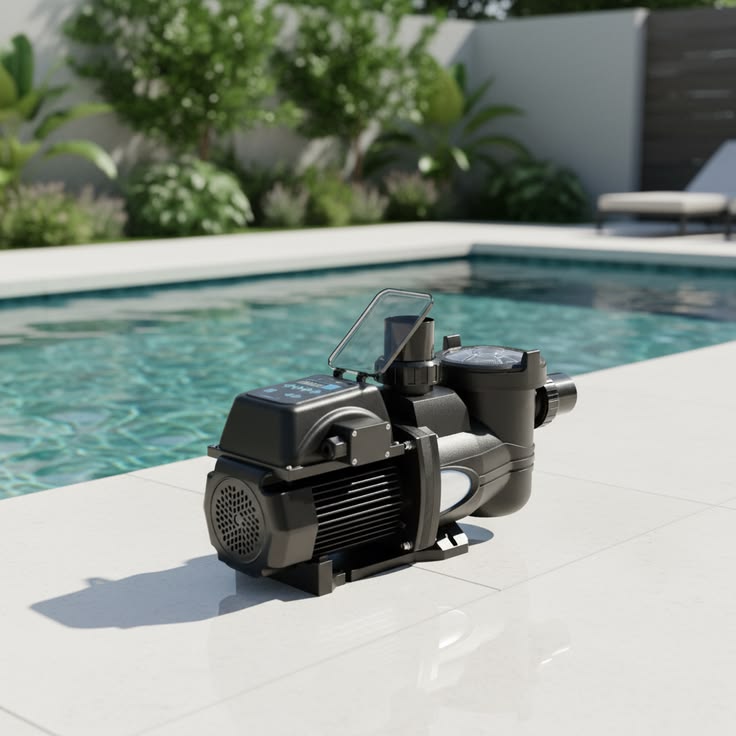
Ultimate Guide to Variable Speed Pool Pumps: Save Energy & Money
Learn how upgrading to a variable speed pump can slash your energy bills by up to 90% while keeping your pool perfectly clean
8 min read January 15, 2024
If you're still running a single-speed pool pump, you're probably spending way more on electricity than you should. Variable speed pumps have revolutionized pool maintenance, offering incredible energy savings without sacrificing performance. Here's everything you need to know about making the switch.
What Makes Variable Speed Pumps Different?
Traditional single-speed pumps operate at full power all the time—it's like driving your car with the pedal to the metal constantly. Variable speed pool pumps, on the other hand, adjust their speed based on what your pool actually needs.
Think about it: your pool doesn't need the same flow for overnight maintenance as it does for a heavy cleaning cycle. While variable speed pumps don't adjust automatically, they allow you to program specific speeds for different needs. You can set a low, quiet speed for nighttime and schedule higher-intensity circulation for the early morning or evening when electricity rates are typically lower.
Quick Comparison
- Single-speed pumps: Run at 3,450 RPM constantly, consuming 2,000-2,500 watts
- Variable speed pumps: Adjust from 600-3,450 RPM, averaging 200-500 watts
The Real Cost of Energy Savings
Let's talk numbers, because that's what really matters. A typical single-speed pump running 8 hours a day in Canada costs approximately $600-$900 annually in electricity. Switch to a variable speed pump, and you're looking at $100-$200 per year.
That's not just marketing hype—those are real savings you'll see on your hydro bill. Most Canadian pool owners recoup the cost of upgrading within 2-3 years, and then it's pure savings after that.
"I was skeptical about the energy savings claims, but after installing a variable speed pump last spring, my summer electricity bills dropped by nearly $70 per month. It's already paid for itself." — Sarah M., Toronto
Beyond Energy Savings: Other Benefits
While the energy efficiency is impressive, variable speed pumps offer several other advantages that make them worth considering:
Quieter Operation
Because they're not constantly running at maximum speed, variable speed pumps operate much more quietly. If your pool equipment is near your house or patio, this makes a noticeable difference during those peaceful summer evenings.
Longer Equipment Life
Running at lower speeds puts less stress on your pump's motor and bearings. Many variable speed pumps come with warranties of 3-5 years compared to 1-2 years for single-speed models, and they often outlast their warranties significantly.
Better Filtration
Here's something that surprises people: slower water movement through your filter actually captures more debris. Your water ends up cleaner with less effort.
Variable speed pumps provide superior filtration at lower speeds
How to Choose the Right Variable Speed Pump
Not all variable speed pumps are created equal. Here's what to consider when you're shopping:
Pool Size Matters
Match your pump's horsepower to your pool volume. For most residential pools in Canada:
- Small pools (10,000-15,000 gallons): 1.5 HP variable speed pump
- Medium pools (15,000-25,000 gallons): 2.0 HP variable speed pump
- Large pools (25,000+ gallons): 2.5-3.0 HP variable speed pump
Check Your Existing Plumbing
Maximize your efficiency by matching your pump to your pipes. If your pool uses 1.5" plumbing, focus on selecting a "right-sized" pump that fits those specifications. This ensures optimal performance without the need for the extensive labor and cost of replacing underground plumbing.
Look for Smart Features
Modern variable speed pumps often include programmable timers, self-priming capabilities, and diagnostic displays. These features make operation easier and help you optimize performance.
Installation and Setup Tips
While professional installation is recommended (especially for electrical work), understanding the process helps you prepare:
Electrical Requirements
Most variable speed pumps require a dedicated 230V circuit with GFCI protection. This is different from many single-speed pumps that run on 115V. Factor this into your installation budget if you're upgrading.
Programming Your Pump
Here's a basic schedule that works well for most Canadian pools:
- Late Night (11 PM – 7 AM): High Speed (2,800 RPM). Run your heavy cleaning and high-intensity filtration now to take advantage of the lowest electricity rates.
- Morning (7 AM – 11 AM): Medium Speed (2,000 RPM). Ideal for maintaining flow if you are running a heater to prep for the day.
- Afternoon (11 AM – 5 PM): Low Speed (1,200 RPM). Keep the water moving during peak-rate hours without spiking your bill.
- Evening (5 PM – 11 PM): Medium Speed (1,800 RPM). Efficient filtration to clear out debris after a day of swimming.
Adjust these settings based on your pool's specific needs and your swimming schedule.
Maintenance and Troubleshooting
Variable speed pumps require minimal maintenance, but a few regular checks keep them running optimally:
Monthly Tasks
- Clean the pump basket and check for debris
- Inspect for leaks around seals and connections
- Listen for unusual noises that might indicate bearing wear
Seasonal Maintenance
Before winterizing your pool, properly drain your variable speed pump to prevent freeze damage. In spring, check all electrical connections and test each speed setting before full operation.
Pro Tip
Keep a maintenance log noting any changes in sound, vibration, or performance. This helps identify issues early before they become expensive problems.
Common Questions About Variable Speed Pumps
Can I install a variable speed pump myself?
While mechanically inclined homeowners can handle the plumbing connections, electrical work should be done by a licensed electrician. Variable speed pumps require specific wiring and circuit protection that must meet local building codes.
Will a variable speed pump work with my existing equipment?
Yes, in most cases. Variable speed pumps are compatible with standard pool filters, salt water systems, and cleaning equipment. However, verify compatibility with your specific heater model as some older units require minimum flow rates.
How long do variable speed pumps last?
With proper maintenance, expect 8-12 years of reliable service—often longer than single-speed pumps that typically last 5-8 years.
Are there rebates available in Canada?
Many provincial utility companies offer rebates for energy-efficient pool equipment. Check with your local provider as rebates can range from $100-$300, significantly offsetting upgrade costs.
Making the Switch: What to Expect
Upgrading to a variable speed pump is one of the smartest investments you can make for your pool. You'll notice the difference immediately—not just in your energy bills, but in how your pool operates.
The water will be clearer because your filter system is working more efficiently. Your backyard will be quieter, making those summer evenings more enjoyable. And every time you check your electricity bill, you'll be reminded why this upgrade was worth it.
Ready to Upgrade Your Pool Pump?
At K&J Leisure, we carry a full range of variable speed pool pumps from trusted manufacturers. Our expert team can help you choose the right pump for your pool size and provide guidance on installation.