
The Complete Guide to Pool Maintenance for Canadian Homeowners
Published: January 2025• 10 min read
Owning a swimming pool in Canada is a joy during those warm summer months, but keeping it in pristine condition requires consistent care and attention. Whether you're a first-time pool owner or looking to refine your maintenance routine, this comprehensive guide will walk you through everything you need to know about proper pool care.
What You'll Learn
- Weekly Maintenance Essentials
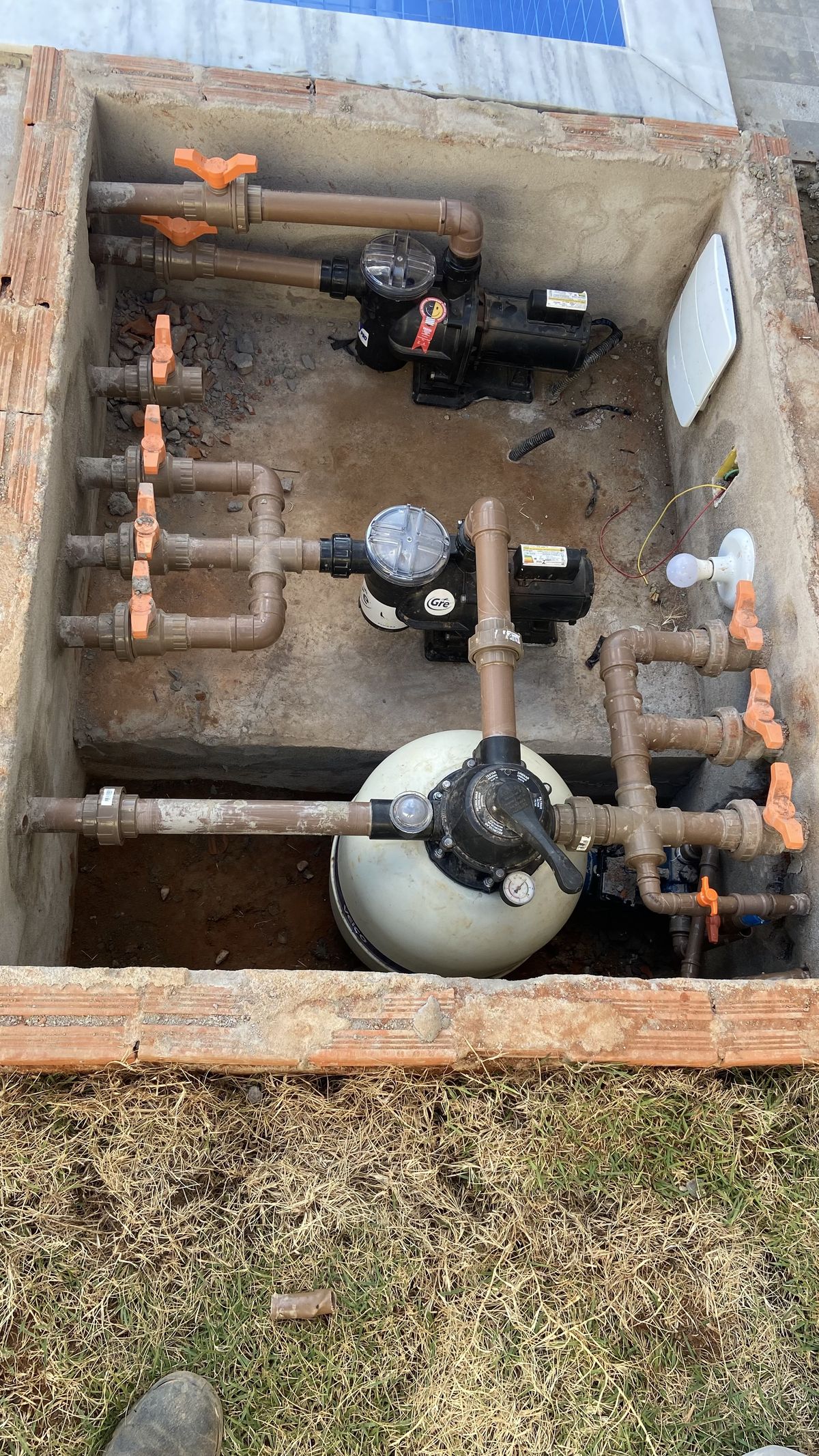
- Pool Equipment Care
- Chemical Balance & Water Testing
- Cleaning Techniques That Work
- Seasonal Care & Winterization
- Common Problems & Solutions
Weekly Maintenance Essentials
Consistency is the secret to a sparkling pool. By dedicating just a few hours each week to basic maintenance tasks, you'll prevent major issues down the road and enjoy crystal-clear water all season long.
Your Weekly Pool Maintenance Checklist
Here's what you should be doing every single week:
- Skim the Surface: Remove leaves, insects, and debris daily if possible, but at minimum three times per week. This prevents organic matter from sinking and creating more work later.
- Brush the Walls and Floor: Algae and bacteria cling to pool surfaces. Brushing at least twice weekly prevents buildup and keeps your pool looking fresh.
- Vacuum the Pool: Whether you use a manual vacuum, automatic suction cleaner, or robotic pool vacuum, weekly vacuuming removes settled debris that filtration alone can't handle.
- Empty Skimmer Baskets: Check and empty your skimmer baskets to maintain proper water circulation and prevent pump strain.
- Test Water Chemistry: Test pH, chlorine levels, and alkalinity weekly to catch imbalances before they become problems.
Pro tip: Set a specific day each week for pool maintenance. Many Canadian pool owners choose Saturday mornings, giving them the rest of the weekend to enjoy their perfectly maintained pool.
Pool Equipment Care: Keeping Everything Running Smoothly
Your pool's equipment works hard to keep your water clean and comfortable. Regular maintenance extends the life of these investments and prevents costly repairs.
Pool Pump Maintenance
The pump is your pool's heart, circulating water through the filtration system. Here's how to keep it healthy:
- Run your pump 8-12 hours daily during swimming season
- Clean the pump strainer basket weekly
- Listen for unusual noises that might indicate bearing issues
- Check for leaks around seals and connections monthly
- Consider upgrading to a variable speed pump for better energy efficiency
Filter Maintenance: The Key to Crystal Clear Water
Your filter removes contaminants and keeps water sparkling. Different filter types require different care:
Sand Filters
Backwash when the pressure gauge reads 8-10 PSI above normal. Replace sand every 3-5 years. Sand filters are popular among Canadian pool owners for their durability and low maintenance requirements.
Cartridge Filters
Clean cartridges every 2-4 weeks by hosing them down. Replace cartridges annually or when they show wear. K&J Leisure offers a wide selection of replacement cartridges for all major brands.
DE (Diatomaceous Earth) Filters
Backwash when pressure increases 8-10 PSI. Recharge with fresh DE powder after backwashing. Deep clean annually by taking the filter apart.
Heater Care
For those chilly Canadian evenings, a pool heater extends your swimming season significantly. Whether you have a propane heater, natural gas heater, or heat pump, annual professional servicing keeps it running efficiently. Between service visits, keep the area around your heater clear of debris and check for proper ventilation.
Mastering Chemical Balance & Water Testing
Proper water chemistry isn't just about comfort—it's about safety and protecting your pool equipment. Imbalanced water can damage your pool's surface, equipment, and create an environment where bacteria and algae thrive.
The Five Key Measurements
pH Level
Ideal Range: 7.2 - 7.6
pH measures how acidic or basic your water is. Too high, and chlorine becomes less effective. Too low, and your water becomes corrosive to equipment and irritating to swimmers' eyes and skin.
Free Chlorine
Ideal Range: 1-3 ppm (parts per million)
Chlorine kills bacteria and keeps water safe. Test chlorine levels 2-3 times per week during heavy use periods. If you're using a salt water chlorination system, monitor salt levels as well.
Total Alkalinity
Ideal Range: 80-120 ppm
Alkalinity acts as a pH buffer, preventing wild swings in pH levels. Adjust alkalinity first when balancing your water chemistry.
Calcium Hardness
Ideal Range: 200-400 ppm
Too little calcium makes water corrosive. Too much causes scaling on surfaces and equipment. This is particularly important in areas with hard water.
Cyanuric Acid (Stabilizer)
Ideal Range: 30-50 ppm
This protects chlorine from being destroyed by UV rays. Essential for outdoor pools but don't overdo it—too much reduces chlorine effectiveness.
How to Test Your Pool Water
You have three main testing options:
- Test Strips: Quick and convenient for routine testing. Simply dip and compare colors.
- Liquid Test Kits: More accurate than strips. Uses reagents and color comparison charts.
- Digital Testers: Most accurate option. Worth the investment for serious pool owners.
Expert Tip: Always test your water in the morning before the sun affects your chemical readings, and at least 8 hours after adding any chemicals.
Effective Cleaning Techniques That Actually Work
Choosing the Right Pool Vacuum
The right vacuum makes maintenance easier and more effective. Here's what K&J Leisure recommends:
Robotic Pool Cleaners
These are the cream of the crop. Set them and forget them—they'll scrub, vacuum, and even filter the water independently. Perfect for busy Canadian families who want more swimming time and less maintenance time. Check out our selection of robotic cleaners that handle everything from small above-ground pools to large in-ground installations.
Best for: Large pools, minimal effort, thorough cleaning
Pressure-Side Cleaners
These connect to your return line and use water pressure to move around. They have their own debris bag, so they don't clog your filter. Great for pools with lots of large debris like leaves. Browse our pressure cleaners for reliable options.
Best for: Pools surrounded by trees, medium to large debris
Suction-Side Cleaners
These connect to your skimmer or dedicated suction line. They're affordable and effective for regular maintenance. Our suction cleaners offer great value for routine cleaning needs.
Best for: Budget-conscious owners, smaller pools, fine debris
Manual Cleaning Best Practices
Even with an automatic cleaner, you'll need to do some manual work:
- Skim Daily: Use a leaf skimmer to remove floating debris before it sinks
- Brush Weekly: Use a pool brush appropriate for your surface (nylon for vinyl, stainless steel for concrete)
- Focus on Problem Areas: Pay extra attention to steps, corners, and behind ladders where algae loves to grow
- Clean the Waterline: Use a pool tile cleaner to remove oils and scum at the waterline every two weeks
Seasonal Care & Winterization: A Canadian Essential
In Canada, proper seasonal transitions are critical for protecting your pool investment. Let's walk through the key steps for opening and closing your pool.
Spring Opening: Getting Your Pool Summer-Ready
After months under cover, your pool needs some TLC before that first swim:
- Remove and Clean Your Winter Cover: Clean it thoroughly before storing to prevent mold and extend its life. If it's time for a new one, check out our winter pool covers collection.
- Reconnect Equipment: Reinstall plugs, gauges, and any equipment removed for winter
- Fill to Proper Level: Top up water if needed—it should reach the middle of your skimmer opening
- Start Up Your Pump: Prime your pump and run the filtration system
- Test and Balance Water: This might take a few days to get everything perfect
- Shock the Pool: Add a strong dose of chlorine to eliminate any bacteria that survived winter
- Vacuum and Brush: Remove any debris and brush all surfaces
Fall Closing: Protecting Your Investment
Proper winterization prevents freeze damage and makes spring opening much easier:
⚠️ Canadian Climate Consideration
Don't wait too long to close your pool. Aim to complete winterization before temperatures consistently drop below 10°C (50°F). This gives you time to work comfortably and ensures proper chemical distribution.
- Clean Thoroughly: Vacuum, brush, and skim one last time
- Balance Water Chemistry: Proper pH and alkalinity prevent corrosion during winter
- Shock and Add Winterizing Chemicals: This prevents algae growth and staining
- Lower Water Level: Below skimmer for in-ground pools (or drain completely for some above-ground pools)
- Blow Out Plumbing Lines: Remove all water to prevent freeze damage. You'll need an air compressor or pool blower for this crucial step.
- Remove and Store Equipment: Take out ladders, remove pump baskets, drain the filter, and store heater components
- Install Winter Accessories: Add winterizing plugs, water bags (for solid covers), and any necessary expansion protection
- Cover Your Pool: Choose between safety covers for in-ground pools or solid covers for above-ground installations
K&J Leisure offers complete winterizing accessories to make the process easier. Don't forget to protect your solar reels with solar reel jackets!
Common Pool Problems & Solutions
Even with perfect maintenance, issues can arise. Here's how to tackle the most common pool problems:
Cloudy Water
Causes: Poor filtration, imbalanced chemicals, high calcium levels, or not enough sanitizer
Solutions:
- Test and balance your water chemistry
- Run your filter longer (24 hours for severe cloudiness)
- Shock the pool
- Check if your filter needs cleaning or replacement
Green Water (Algae)
Causes: Low chlorine, poor circulation, or contamination
Solutions:
- Brush all surfaces vigorously
- Shock the pool with 2-3x normal chlorine amount
- Run filter continuously until water clears
- Consider adding algaecide for prevention
- Vacuum to waste (not through filter) if possible
Pump Won't Prime
Causes: Air leaks, clogged impeller, low water level, or closed valves
Solutions:
- Check water level—should reach middle of skimmer
- Verify all valves are open
- Clean pump basket and skimmer basket
- Check for cracks in pump lid or housing
- May need to replace pump parts like seals or gaskets
High Filter Pressure
Causes: Dirty filter, closed or partially closed valves, blocked return lines
Solutions:
- Backwash sand or DE filters
- Clean or replace cartridge filters
- Check all valves are fully open
- Verify return jets aren't blocked
Stains on Pool Surface
Causes: Metal content in water, organic matter, or improper chemical balance
Solutions:
- Test for metals (iron, copper, manganese)
- Use appropriate stain remover for stain type
- Maintain proper pH and alkalinity
- Consider using a metal sequestrant
- Brush affected areas regularly
Heater Not Heating
Causes: Thermostat issues, flow problems, dirty filter, or mechanical failure
Solutions:
- Check thermostat setting
- Ensure adequate water flow through heater
- Clean filter to improve flow
- Check for error codes on digital displays
- May need professional service or heater parts replacement
Pro Tips for Hassle-Free Pool Ownership
📝 Keep a Maintenance Log
Track your water test results, chemical additions, and maintenance tasks. This helps you spot patterns and anticipate needs. Many pool owners use smartphone apps, but a simple notebook works great too.
💰 Buy Supplies in Bulk
Stock up on chemicals and supplies at the beginning of the season when prices are often lower. Plus, you'll never run out at inconvenient times. K&J Leisure offers free shipping on orders over $99.
🌊 Shower Before Swimming
Encourage family and guests to rinse off before entering. This reduces contaminants like body oils, lotions, and cosmetics that strain your filtration system and deplete chlorine.
🔄 Upgrade When It Makes Sense
Old equipment costs more to run and breaks down more often. A variable speed pump might cost more upfront but can cut energy costs by 70%. Modern salt water systems reduce chemical costs and maintenance time.
🌡️ Use a Pool Thermometer
Temperature affects chemical activity and comfort. Chlorine works best between 18-26°C (65-80°F). If water gets too warm, you'll need more sanitizer.
🛠️ Stock Essential Parts
Keep common replacement parts on hand: O-rings, gaskets, and filter cartridges. This prevents downtime when something breaks on a Saturday evening.
Don't Forget Your Hot Tub!
If you also own a hot tub, many of these maintenance principles apply—but hot tubs require more frequent attention due to smaller water volume and higher temperatures. Check out our comprehensive hot tub supplies section for everything you need, from replacement filters to accessories and parts.
Your Path to Pool Perfection
Pool maintenance doesn't have to be overwhelming. By following these guidelines and staying consistent with your routine, you'll spend less time on upkeep and more time enjoying your pool with family and friends.
Remember, every pool is unique. Canadian climate conditions, usage patterns, and local water quality all affect what your pool needs. Don't be afraid to adjust these recommendations based on what works for your specific situation.
The team at K&J Leisure is here to support your pool care journey. Whether you need replacement parts, upgraded equipment, or just some expert advice, we're committed to helping Canadian pool owners get the most from their backyard oasis.
Need Pool Supplies or Equipment?
Visit K&J Leisure for everything you need to maintain your pool. We offer:
- ✓ Free shipping on orders over $99
- ✓ Expert customer service and advice
- ✓ Fast shipping across Canada
- ✓ Easy returns and comprehensive support